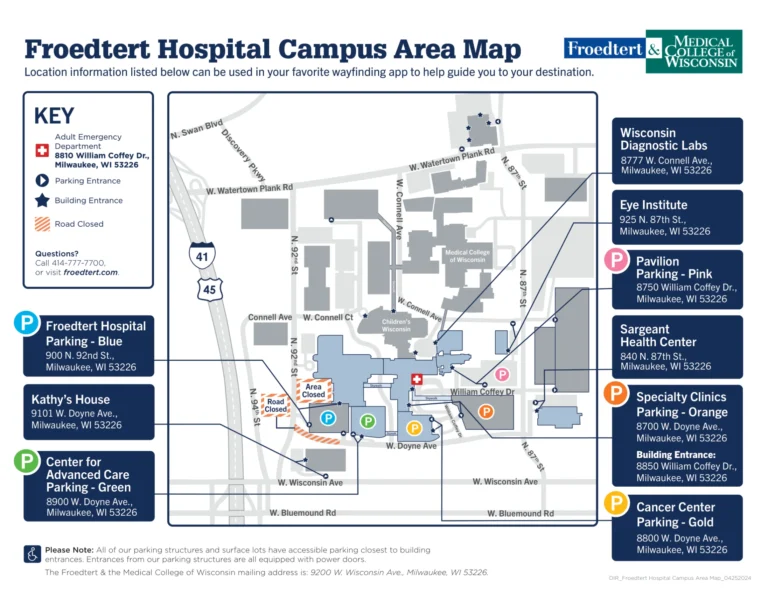
Ruby Memorial Hospital Floor Directory

Navigating a hospital can sometimes feel like embarking on an epic quest, a journey through a labyrinth of corridors and unfamiliar rooms. But fear not, intrepid explorer! At Ruby Memorial Hospital, we believe that even the most complex systems can be approached with a touch of grace and a sprinkle of good humor. Today, we're diving deep into the heart of the matter – the Ruby Memorial Hospital Floor Directory. Think of it as your personal compass, your trusty map to a land where healing and hope reside.
Forget those ancient scrolls and cryptic prophecies. This directory is your modern-day Rosetta Stone, designed to demystify the sprawling expanse of Ruby Memorial. Whether you’re a seasoned visitor or a first-timer, understanding this guide is your first step towards a smoother, less stressful experience. So, grab a comforting cup of coffee (or your preferred beverage!), settle in, and let’s explore together.
The Grand Overview: A City Under One Roof
Imagine Ruby Memorial not just as a building, but as a bustling, self-contained city dedicated to well-being. Each floor is a distinct neighborhood, each department a specialized district. The floor directory is essentially the street map and address book for this vibrant metropolis. It’s where you find the crucial information to get you from point A (the entrance) to point B (that much-needed appointment or visiting room).
Must Read
- American Idol 2026 Results: Hannah Harper Outshines The Top 3 To Win It All
- The Journey Ends: Hannah Harper Wins The Hearts Of Millions
- American Idol Finale Breakdown: Hannah Harper's Crowning Moment
- The King Of Hearts Vs. The Viral Mom: Hannah Harper Wins Idol
- American Idol Crowns Hannah Harper After Epic Star-studded Finale
The beauty of the directory lies in its clarity. It’s not meant to be a riddle to solve, but a tool to empower you. Typically, you’ll find these directories strategically placed throughout the hospital – near elevators, at information desks, and even subtly integrated into wall signage. Keep an eye out for them; they’re your silent allies.
Level by Level: Unpacking the Layers of Care
Let’s break down what you can expect as you ascend or descend through the hospital’s levels. Think of each floor as having a personality, a theme. While the exact layout can vary, there are general patterns that most large hospitals, including Ruby Memorial, tend to follow.
The Ground Floor & Lobby: The Welcome Mat
This is where it all begins. The lobby is usually a hub of activity, featuring information desks, gift shops, and often the main outpatient clinics. You’ll find directories here that give you a bird’s-eye view of the entire hospital. It's like the town square, where you get your bearings and plan your next move. This is also often where you’ll find amenities like cafes – a lifesaver for those longer visits!
The Lower Levels: Support and Services
Often, the lower floors house the essential support services. Think of the hospital’s “backstage crew.” This is where you might find areas like:

- Radiology/Imaging: Where those crucial X-rays, CT scans, and MRIs happen.
- Laboratory Services: The wizards behind the blood draws and diagnostic tests.
- Pharmacy: Dispensing the vital medications that aid in recovery.
- Support Departments: Facilities management, IT, and other unsung heroes keeping the hospital running smoothly.
The Mid-Levels: The Heart of Inpatient Care
As you move up, you’ll generally encounter the floors dedicated to inpatient services – where patients stay overnight. These floors are typically organized by medical specialty. You might see:
- Medical-Surgical Units: For a wide range of general illnesses and post-operative care.
- Cardiology/Cardiovascular Units: Dedicated to heart health.
- Oncology Units: For cancer treatment and care.
- Neurology Units: Focusing on conditions affecting the brain and nervous system.
Each of these units will have its own floor name or number, clearly indicated. The directory will be your guide to finding the specific room number for a patient or a particular clinic within these units.
The Upper Levels: Specialized Care and Administration
The highest floors often house the most specialized services and administrative offices. This might include:
- Intensive Care Units (ICU): For patients requiring the highest level of critical care.
- Surgical Suites: The operating rooms where complex procedures take place.
- Maternity/Labor & Delivery: The joyous arrival of new life.
- Administrative Offices: Where the hospital’s leadership and planning happen.
It's fascinating to think about the sheer volume of expertise and technology housed within these walls, all meticulously organized for optimal patient care.
Making the Directory Work for You: Practical Magic
Now that we have a general understanding, let’s talk about how to make this directory your best friend. It’s not just about finding a room number; it’s about navigating with confidence.

Tip 1: Be a “Directory Detective”
Don’t just glance at the directory; study it. Look for visual cues. Many directories use color-coding or icons to represent different departments or services. This can be a quick visual shortcut, especially if you’re in a hurry or feeling a bit overwhelmed. Think of it like learning the symbols on a treasure map.
Tip 2: Know Your “Destination”
Before you even step foot in the hospital, if possible, have a clear idea of where you need to go. Is it a specific doctor’s office? A patient’s room on a particular floor? The more information you have, the easier it will be to locate it on the directory. If you’re visiting someone, ask for their room number and the unit they’re on.
Tip 3: The Elevator Etiquette (and Efficiency)
Elevators are the vertical highways of Ruby Memorial. The directory will be your guide to selecting the correct elevator bank for your destination floor. Pay attention to signs indicating express elevators versus local elevators. Sometimes, knowing which elevator to take can save you precious minutes. It’s like choosing the express lane on the freeway!

Tip 4: Don’t Be Afraid to Ask for Reinforcements
Even with the best directory, sometimes you might find yourself a little turned around. That’s perfectly okay! Hospital staff, from information desk personnel to nurses and volunteers, are there to help. They are the seasoned navigators of this particular landscape. Think of them as your friendly local guides. A quick question can save you a lot of wandering.
Tip 5: Digital Assistance: Your Pocket Navigator
In this day and age, many hospitals offer digital versions of their floor directories through their websites or mobile apps. Check if Ruby Memorial has such a resource. This can be incredibly convenient, allowing you to look up information on your phone before you even arrive, or even while you’re on the go within the hospital.
Cultural Tidbits and Fun Facts (Hospital Edition!)
Did you know that the way hospitals are organized has evolved significantly over time? Early hospitals were often more like hospices, providing shelter and basic care for the poor and infirm. The modern hospital, with its specialized departments and advanced technology, is a relatively recent development. The floor directory is a testament to this evolution, reflecting a sophisticated system of care.
And here’s a fun little fact for you: the concept of clear signage and wayfinding in public spaces, including hospitals, is a field in itself called “wayfinding design.” It’s all about making complex environments intuitive and easy to navigate. So, the next time you appreciate a well-placed sign, you can thank the world of wayfinding design!
Think about the language used in hospital directories. You’ll see terms like “Cardiology,” “Oncology,” and “Pediatrics.” These are Greek and Latin roots, a fascinating connection to our ancient past still shaping our present. It’s like finding historical markers woven into the fabric of modern medicine.

Consider the sheer number of people who interact with these directories daily. Patients, visitors, doctors, nurses, technicians, administrative staff – a constant flow of humanity, all with a common goal of health and healing. It’s a microcosm of our society, united by the need for care.
A Touch of Hollywood: Hospital Scenes in Popular Culture
We’ve all seen it in movies and TV shows: the frantic search for a loved one, the urgent dash to the operating room. While our real-life hospital visits are hopefully less dramatic, these fictional portrayals often highlight the importance of knowing your way around. Think of shows like ER or Grey's Anatomy. The intricate hospital settings, with their bustling corridors and clearly labeled departments, play a vital role in storytelling. The Ruby Memorial directory, in its own way, contributes to that sense of order and accessibility that makes patient care possible.
Even in less dramatic settings, the hospital environment can be a source of inspiration. The quiet hum of activity, the dedicated professionals, the palpable sense of hope – these are all elements that resonate. The floor directory, while a purely functional tool, is part of this larger narrative of human resilience and medical advancement.
The Bigger Picture: Connecting to Our Daily Lives
You might be thinking, “This is all well and good, but how does a hospital floor directory relate to my everyday life?” The answer is simpler than you might imagine. The principles of clarity, organization, and accessible information are universal.
Think about navigating your own neighborhood. You have familiar streets, landmarks, and maybe even a mental map. When you visit a new city, you rely on street signs, maps, and maybe a helpful local. The hospital directory is an extension of this same need for orientation and guidance. It’s about taking a potentially confusing environment and making it understandable.
Furthermore, the experience of needing to understand a hospital directory can foster empathy. It reminds us that for patients and their families, navigating a hospital is not just an inconvenience; it can be a deeply stressful and emotional experience. A clear, well-designed directory can alleviate even a small part of that burden, allowing them to focus on what truly matters: health and recovery.
In essence, the Ruby Memorial Hospital Floor Directory is more than just a list of rooms and departments. It's a symbol of thoughtful design, a commitment to patient experience, and a quiet facilitator of healing. It’s a reminder that even in the most complex of systems, a little bit of clarity can go a long way. So, the next time you find yourself at Ruby Memorial, approach the directory not with trepidation, but with a sense of empowered exploration. You’ve got this!