Unt Electrical Engineering Degree Plan
So, you're thinking about diving into the wild, wonderful world of Electrical Engineering at UNT, huh? That's awesome! Seriously, high five! It’s a path that’s both super challenging and unbelievably rewarding. Imagine, you could be building the next big thing in tech, or keeping the lights on for millions. Pretty cool, right?
Let's be real, when you start looking at degree plans, they can feel like a secret code written by wizards. All those course numbers and prerequisites! It's enough to make anyone’s head spin. But don't worry, we’re going to break it down, nice and easy, like deciphering a really complicated meme.
First off, the University of North Texas has a solid Electrical Engineering program. They’re not messing around! You’re going to get a good education, and hopefully, a bunch of cool stories to tell your grandkids about that one time you accidentally short-circuited a toaster. (Okay, maybe don't do that.)
Must Read
- American Idol 2026 Results: Hannah Harper Outshines The Top 3 To Win It All
- The Journey Ends: Hannah Harper Wins The Hearts Of Millions
- American Idol Finale Breakdown: Hannah Harper's Crowning Moment
- The King Of Hearts Vs. The Viral Mom: Hannah Harper Wins Idol
- American Idol Crowns Hannah Harper After Epic Star-studded Finale
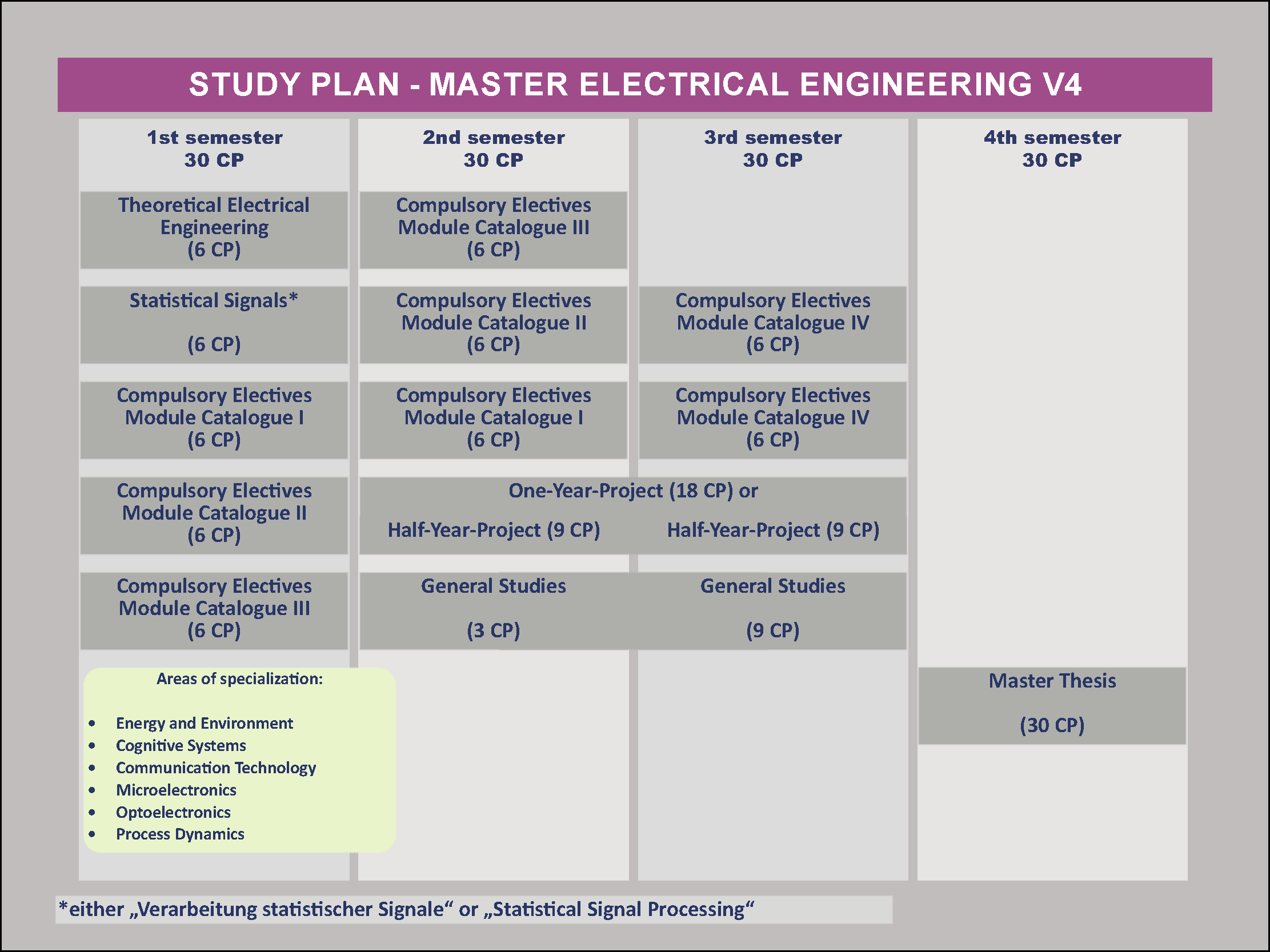
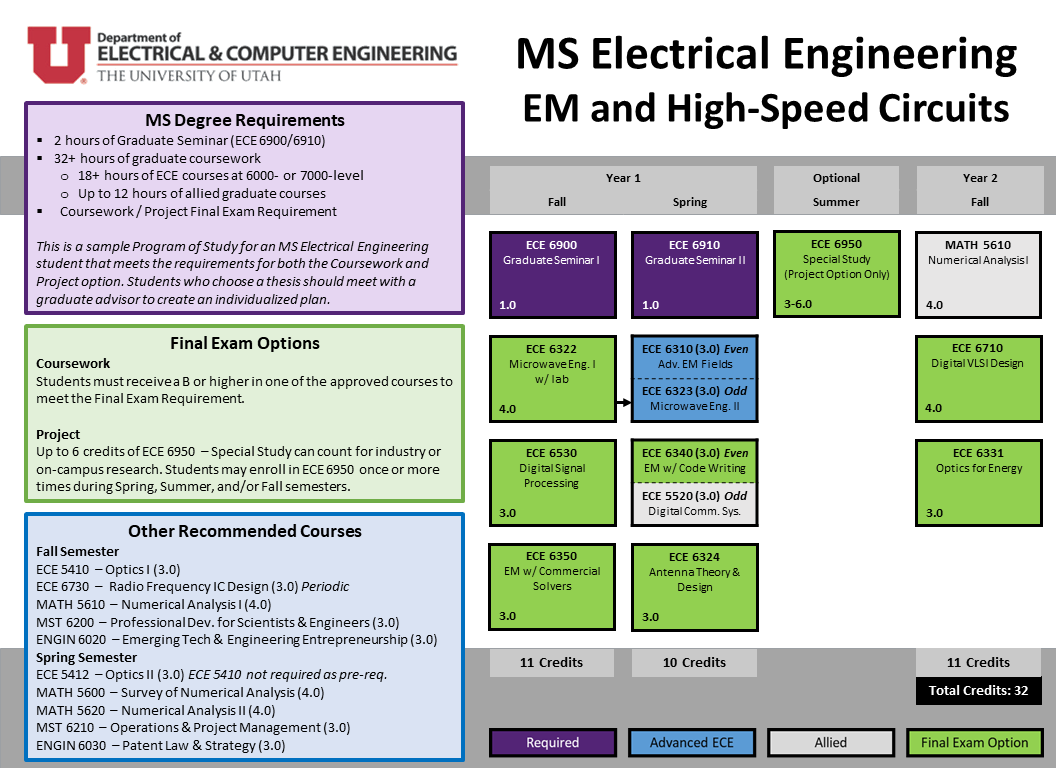
So, what’s the game plan? Think of it like building a super-powered robot. You need the right parts, the right instructions, and a whole lot of patience. Your UNT Electrical Engineering degree plan is basically your blueprint.
You're looking at a Bachelor of Science in Electrical Engineering, or B.S.E.E. for short. It's a pretty standard four-year deal, give or take. Of course, life happens, and sometimes it takes a little longer, but the goal is to get you out there ready to conquer the world of circuits and signals.
The first year is often about building the foundational blocks. You know, the stuff that makes the rest of the fancy engineering stuff make sense. Think math. Lots and lots of math. Calculus, differential equations… you might even start questioning your life choices at 2 AM while staring at a limit problem. But hey, it’s like learning your ABCs. You can’t write a novel without them, and you can’t design a microchip without understanding derivatives.
There will also be some introductory science courses. Physics is a biggie. You'll be delving into how things move, why they stick together, and all that jazz. It’s actually pretty fascinating once you get past the formulas. And maybe a little bit of chemistry. Because, you know, electrons gotta have something to interact with.
Don't forget your general education requirements too! UNT wants you to be a well-rounded individual. So, you’ll have your English classes, your social science electives, maybe even a humanities course. It’s your chance to explore something outside of the engineering bubble. Maybe learn a new language, or finally understand what that abstract art piece was all about. Who knows, it might even spark an unexpected idea for your next engineering project!
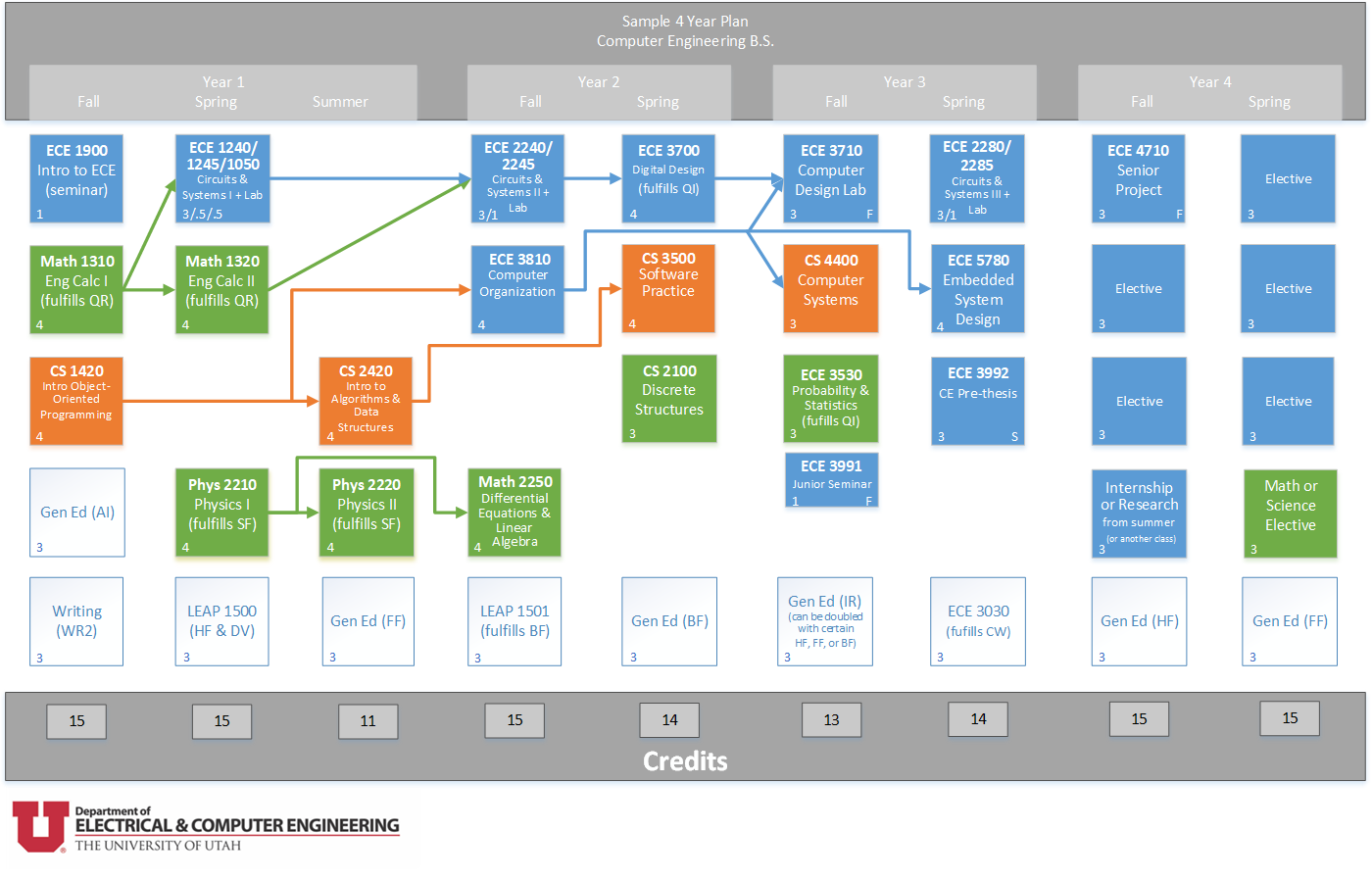
Now, let’s talk about the fun stuff – the actual electrical engineering courses! These start to ramp up in your second year. You’ll be introduced to the core concepts that define this field. We're talking about things like:
Circuit Analysis
This is where you get your hands dirty (metaphorically, unless you're doing a lab, then maybe literally) with resistors, capacitors, and inductors. You'll learn how to figure out how much current is flowing, what the voltage is doing, and if your circuit is going to, you know, explode. Kidding! Mostly.
Digital Logic Design
This is the foundation of all computers and smart devices. Think of it as building with LEGOs, but instead of plastic bricks, you're using logic gates. AND, OR, NOT… it’s all about making decisions based on inputs. Prepare to spend a lot of time thinking about binary.
Electromagnetics
This is where things get a little bit… ethereal. You’ll be studying fields, waves, and how electricity and magnetism are intertwined. It’s the magic behind radio, cell phones, and even how light works. It's like learning the invisible forces that shape our world. Pretty mind-blowing stuff.
Signals and Systems
Ever wondered how your phone knows what you’re saying, or how your TV gets a picture? It’s all about signals! You’ll learn how to analyze, manipulate, and transmit these signals. Think of it as understanding the language of information.

As you move into your junior and senior years, the courses get more specialized. UNT typically offers different tracks or concentrations within Electrical Engineering. This is where you get to pick your adventure!
Common Specializations (and what they're about!)
1. Electronics
This is for you if you love playing with tiny components, designing chips, and making things small and powerful. Think microprocessors, semiconductors, and how to make gadgets do amazing things. You could be designing the next generation of smartphones or medical devices.
2. Communications
This track is all about sending and receiving information. Wireless communication, fiber optics, satellite systems… if you're fascinated by how we connect across vast distances, this is your jam. You might end up working for a telecom company or designing advanced networking systems.
3. Power Systems
This is the backbone of our civilization. Power generation, transmission, distribution… basically, how we keep the lights on everywhere. If you’re interested in renewable energy, smart grids, or making electricity more efficient, this is where it's at. It's a pretty critical field, wouldn’t you say?
4. Control Systems
Imagine automating everything! This is about designing systems that can regulate and manage other systems. Think robots, aircraft autopilots, or even sophisticated manufacturing processes. It’s all about making things run smoothly and intelligently.
The exact names and availability of these tracks might shift a bit, so it’s always a good idea to check the official UNT catalog. Think of it as the ultimate cheat sheet!
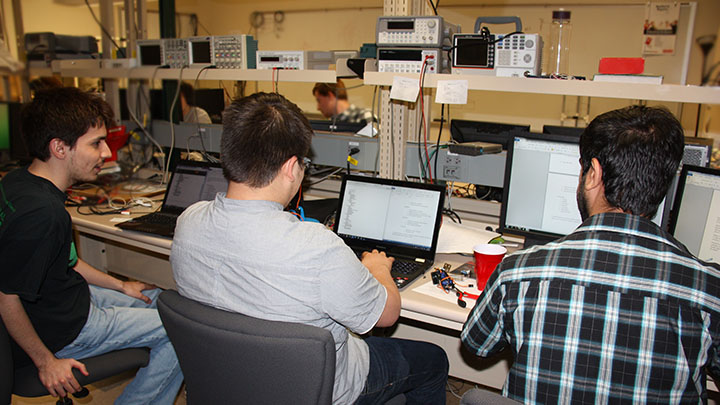
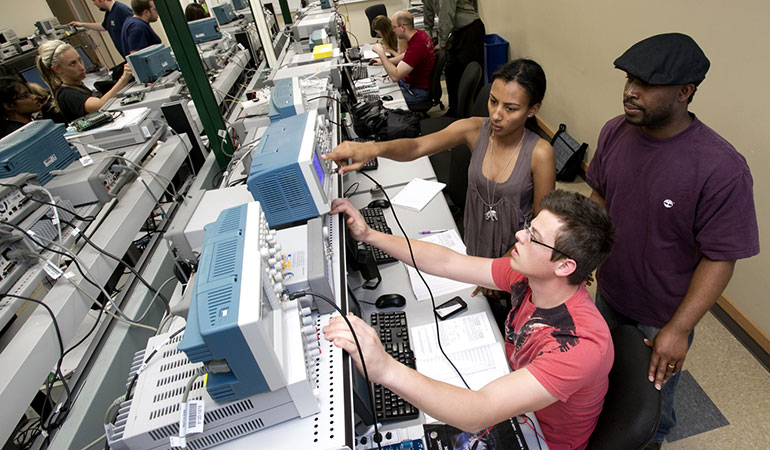
Beyond the classroom lectures, you’ll have a bunch of labs. And trust me, these are crucial. You’ll get to apply all that theoretical knowledge in a hands-on way. You might be soldering circuits, using oscilloscopes (which are super cool, by the way), or simulating designs on a computer. It's where you learn what works and, sometimes, what spectacularly doesn't work. Embrace the learning curves, even the steep ones!
One of the most exciting parts of the senior year is often the senior design project. This is your chance to really shine. You'll work in a team, typically, to tackle a real-world engineering problem. You'll brainstorm, design, build, and test your solution. It's like your final boss battle before graduation, and it's a fantastic way to prove what you've learned.
So, what’s the secret sauce to navigating this degree plan successfully? Well, a few things:
1. Stay Organized
Seriously, keep track of your courses, prerequisites, and deadlines. A good planner or a digital calendar is your best friend. Don't let yourself get caught off guard by a surprise exam or a forgotten assignment. That’s a recipe for stress, and who needs more of that?
2. Talk to Your Professors
These are the experts! They’ve been in your shoes (or at least a much earlier version of them). Don’t be shy about asking questions, even if you think they’re silly. They’re there to help you learn. Plus, they might have some insider tips on career paths or research opportunities. It’s like getting a backstage pass to the world of engineering.
3. Find a Study Group
Engineering can be tough, and sometimes explaining a concept to a friend is the best way to truly understand it yourself. Plus, it’s way more fun to suffer through differential equations with people who get it. You can commiserate, collaborate, and celebrate your successes together. Teamwork makes the dream work, right?
4. Utilize UNT Resources
UNT has tons of resources available. Think tutoring centers, academic advisors, career services… don’t underestimate the power of these support systems. Your academic advisor is going to be your Yoda, guiding you through the complexities of the degree plan and helping you make the right choices. Seriously, build a good relationship with them.
5. Get Involved
Join engineering clubs, attend workshops, go to guest lectures. It’s a great way to network, learn about different areas of EE, and discover potential career interests. Plus, it’s a fun break from the intense coursework. You might meet your future business partner or your lifelong best friend there.
And a word to the wise: don’t be afraid to explore. Even if you go in thinking you want to do communications, but you take a class in power systems and your mind is blown? That’s okay! The beauty of a broad degree like Electrical Engineering is that it opens up so many doors. You might discover a passion you never knew you had.
The UNT Electrical Engineering degree plan is designed to give you a strong theoretical foundation and the practical skills you need to succeed. It's a journey, for sure, with its ups and downs. There will be moments where you feel like you're on top of the world, and moments where you question your sanity. But through it all, you'll be building something amazing: a career that can literally shape the future.
So, take a deep breath, grab your favorite study snack (mine’s usually something chocolatey), and dive in. You’ve got this! The world of electrical engineering at UNT is waiting for you to make your mark. And who knows, maybe one day, you’ll be the one writing the degree plan for the next generation of innovators. How cool is that?