
What Does Cunnilingus Feel Like

When it comes to intimacy and pleasure, one of the most discussed yet least understood topics is cunnilingus. This form of oral sex has been a part of human sexual expression for centuries, with references found in ancient texts and art from around the world. Despite its long history, there's still a veil of mystery surrounding what cunnilingus feels like, both for the giver and the receiver. Understanding this aspect of human sexuality is not just about pleasure; it's also about connection, intimacy, and the psychological aspects that underpin our experiences.
The history of cunnilingus is as old as humanity itself, with depictions and written accounts found in ancient civilizations such as Greece, Rome, and India. In these cultures, cunnilingus was not only a sexual act but also a symbol of love, respect, and worship. For example, in ancient Hinduism, the Kama Sutra details various sexual positions and acts, including cunnilingus, emphasizing the importance of mutual pleasure and satisfaction in sexual relationships. This historical context shows that the perception and practice of cunnilingus have evolved over time, influenced by cultural, religious, and social norms.
Today, cunnilingus is recognized as a vital part of many sexual relationships, offering a unique form of intimacy and pleasure. However, discussions around it often remain hushed, partly due to societal taboos and the lack of comprehensive sexual education. The internet and modern media have helped demystify some aspects of cunnilingus, but the personal, subjective experience of it remains something that's difficult to put into words. For many, the question of what cunnilingus feels like is both intriguing and intimidating, reflecting broader anxieties about sexual performance, pleasure, and communication within relationships.
Must Read
Exploring the Complexities
Delving into the lesser-known facts about cunnilingus, it's essential to consider the anatomy involved. The clitoris, with its thousands of nerve endings, is a critical area of focus, but the entirety of the vulva, including the labia and the opening of the vagina, can also be highly sensitive. The psychological aspect of receiving cunnilingus can be just as significant as the physical, with feelings of vulnerability, trust, and relaxation playing crucial roles. The act requires a level of communication and trust between partners, making it not just a sexual act, but an intimate exchange.
The cultural impact of cunnilingus is varied and complex, reflecting both the liberation of sexual mores and the persistence of taboos. In some cultures, cunnilingus is seen as a taboo or immoral act, reflecting broader patriarchal attitudes towards female sexuality. Conversely, in more sexually liberal societies, cunnilingus is acknowledged as a normal and healthy part of sexual relationships, contributing to a more balanced and mutual sexual experience. This dichotomy underscores the need for open dialogue and education about all forms of sexual expression.
One of the most fascinating aspects of cunnilingus is its connection to female orgasm. Studies have shown that a significant percentage of women find it easier to achieve orgasm through oral sex than through vaginal penetration alone. This highlights the importance of clitoral stimulation in female sexual pleasure and underscores the value of cunnilingus as a means of achieving orgasm. Moreover, the psychological comfort and trust that come with the act can further enhance the likelihood of orgasm, making cunnilingus a profoundly intimate and pleasurable experience for many women.
In exploring the psychological aspects of cunnilingus, it's clear that the experience is deeply influenced by personal preferences, past experiences, and the context of the relationship. For some, the act of giving or receiving cunnilingus can evoke feelings of shame or anxiety, often rooted in societal or religious prohibitions. Conversely, for many, it represents a deep form of connection and intimacy, a way to express love and desire in a unique and powerful way. This spectrum of experiences underscores the complexity of human sexuality and the need for empathetic understanding and open communication within sexual relationships.
Practical Insights and Scenarios
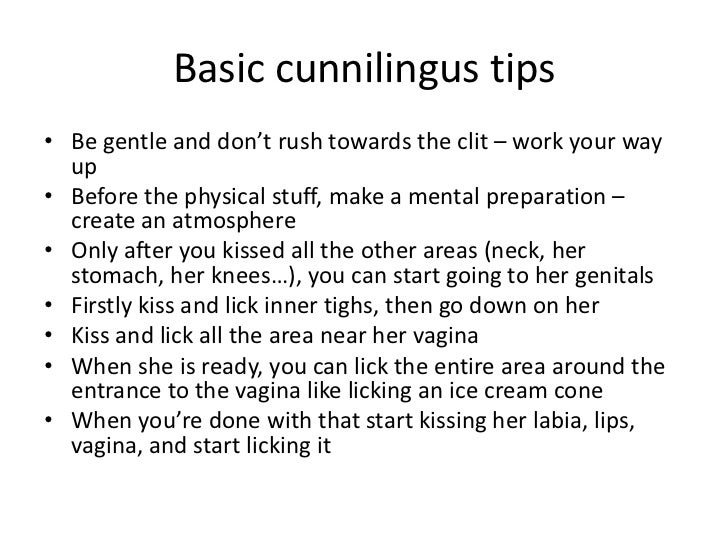
For those looking to explore cunnilingus, whether as a new experience or as a way to deepen intimacy, there are several practical insights to consider. Firstly, communication is key; discussing desires, boundaries, and preferences with your partner can greatly enhance the experience. This includes talking about the speed, pressure, and technique, as well as any discomfort or pain that may arise. Secondly, relaxation and trust are crucial; creating a comfortable and safe environment can help both partners enjoy the experience more fully.
A common scenario for those new to cunnilingus is feeling intimidated or uncertain about how to proceed. This can be addressed by starting slowly, with gentle kisses or touches, and gradually building up to more intimate forms of contact. The use of lubricants or sex toys can also enhance pleasure and reduce discomfort. Moreover, emphasizing the importance of mutual pleasure and satisfaction can help shift the focus from performance anxiety to the enjoyment of the experience itself.

Case studies and surveys have shown that the practice of cunnilingus can significantly improve relationship satisfaction, especially when it's approached with openness, curiosity, and a willingness to learn and adapt. This not only reflects the physical pleasure derived from the act but also the emotional and psychological benefits of shared intimacy and communication. In relationships where cunnilingus is a regular part of sexual activity, partners often report higher levels of trust, affection, and overall sexual satisfaction.
Finally, it's worth noting that cunnilingus, like any sexual activity, should always be practiced with consent and respect for boundaries. Ensuring that both partners are comfortable and willing participants is essential for a positive and enjoyable experience. This includes being mindful of power dynamics within the relationship and avoiding any form of coercion or pressure. By prioritizing consent and mutual respect, individuals can fostering a healthier and more fulfilling sexual relationship.
Frequently Asked Questions
What are the most common mistakes people make when giving cunnilingus?
One of the most common mistakes is not communicating with the partner about what feels good and what doesn't. This can lead to discomfort or pain, which can be easily avoided by maintaining open dialogue during the act. Another mistake is being too rough or applying too much pressure, which can be overwhelming or even painful. Starting gently and gradually increasing intensity based on feedback is a better approach. Lastly, neglecting to prioritize the partner's comfort and consent can lead to negative experiences, emphasizing the importance of mutual respect and ongoing communication.
These mistakes can often stem from misconceptions about female anatomy and pleasure or from personal anxieties about sexual performance. Education and a willingness to learn from and adapt to the partner's needs can significantly mitigate these issues. By focusing on mutual pleasure and prioritizing communication, individuals can create a more positive and fulfilling experience of cunnilingus for both themselves and their partners.

How can I make cunnilingus more enjoyable for my partner?
Making cunnilingus more enjoyable for a partner involves a combination of physical technique, psychological comfort, and open communication. Physically, this can involve varying the speed, pressure, and pattern of stimulation to find what works best for the partner. Paying attention to the entire vulva, not just the clitoris, can also enhance pleasure. Psychologically, creating a safe, comfortable, and relaxing environment is crucial, as is the ability to receive and act on feedback during the act. This might involve discussing fantasies, using lubricants to reduce friction, or incorporating toys to add variety and stimulation.
A key aspect of enhancing the experience is being attentive to the partner's body language and verbal cues, adjusting the technique accordingly. This not only shows a commitment to the partner's pleasure but also fosters a deeper sense of intimacy and connection. Furthermore, the act of giving cunnilingus can be a powerful expression of love and desire, and when approached with care, attention, and an openness to feedback, it can become a profoundly fulfilling experience for both partners.
Can cunnilingus be a regular part of a healthy sexual relationship?
Absolutely, cunnilingus can be a regular and healthy part of a sexual relationship. In fact, incorporating cunnilingus into one's sexual repertoire can enhance intimacy, improve sexual satisfaction, and foster deeper emotional connection with a partner. When practiced with mutual consent, respect, and open communication, cunnilingus can become a fulfilling and enjoyable aspect of sexual activity. It's also important to remember that sexual preferences and activities can evolve over time, and what works for a couple at one stage of their relationship may change as they grow and explore their desires together.

Regularly incorporating cunnilingus into sexual activity can also have broader benefits for the relationship, such as increased emotional intimacy, trust, and communication. By prioritizing mutual pleasure and satisfaction, couples can build a stronger and more resilient relationship. Additionally, the variety and spontaneity that cunnilingus can bring to sexual relationships can help keep the spark alive, even in long-term partnerships. This emphasizes the importance of keeping an open mind, being willing to explore and learn together, and prioritizing the emotional and sexual well-being of both partners.
In reflecting on the significance of cunnilingus in our lives, it's clear that this act of intimacy speaks to fundamental human desires for connection, pleasure, and understanding. The complexities surrounding cunnilingus, from its historical and cultural contexts to its psychological and physical aspects, underscore the multifaceted nature of human sexuality. By embracing this complexity and fostering open, honest dialogue about sexual desires and practices, individuals can work towards creating healthier, more fulfilling sexual relationships.
The connection between cunnilingus and human nature is profound, touching on aspects of vulnerability, trust, and the deep-seated need for intimacy and connection. This act, when approached with respect, care, and a genuine interest in mutual pleasure, can become a powerful symbol of love and desire, transcending mere physical pleasure to speak to our emotional and psychological depths. In a world where sexual expression is increasingly recognized as a vital part of human health and well-being, the exploration and understanding of cunnilingus offer a compelling example of how sexuality can enrich our lives and our relationships.
Ultimately, the experience of cunnilingus, like all aspects of human sexuality, is highly subjective and personal. What it feels like, how it's practiced, and its significance within a relationship can vary profoundly from one individual to another. This diversity of experience is a testament to the complexity and richness of human sexuality, inviting us to approach sexual relationships with empathy, curiosity, and an open heart and mind. By doing so, we can foster deeper connections, more fulfilling relationships, and a healthier, more positive understanding of our own desires and those of our partners.