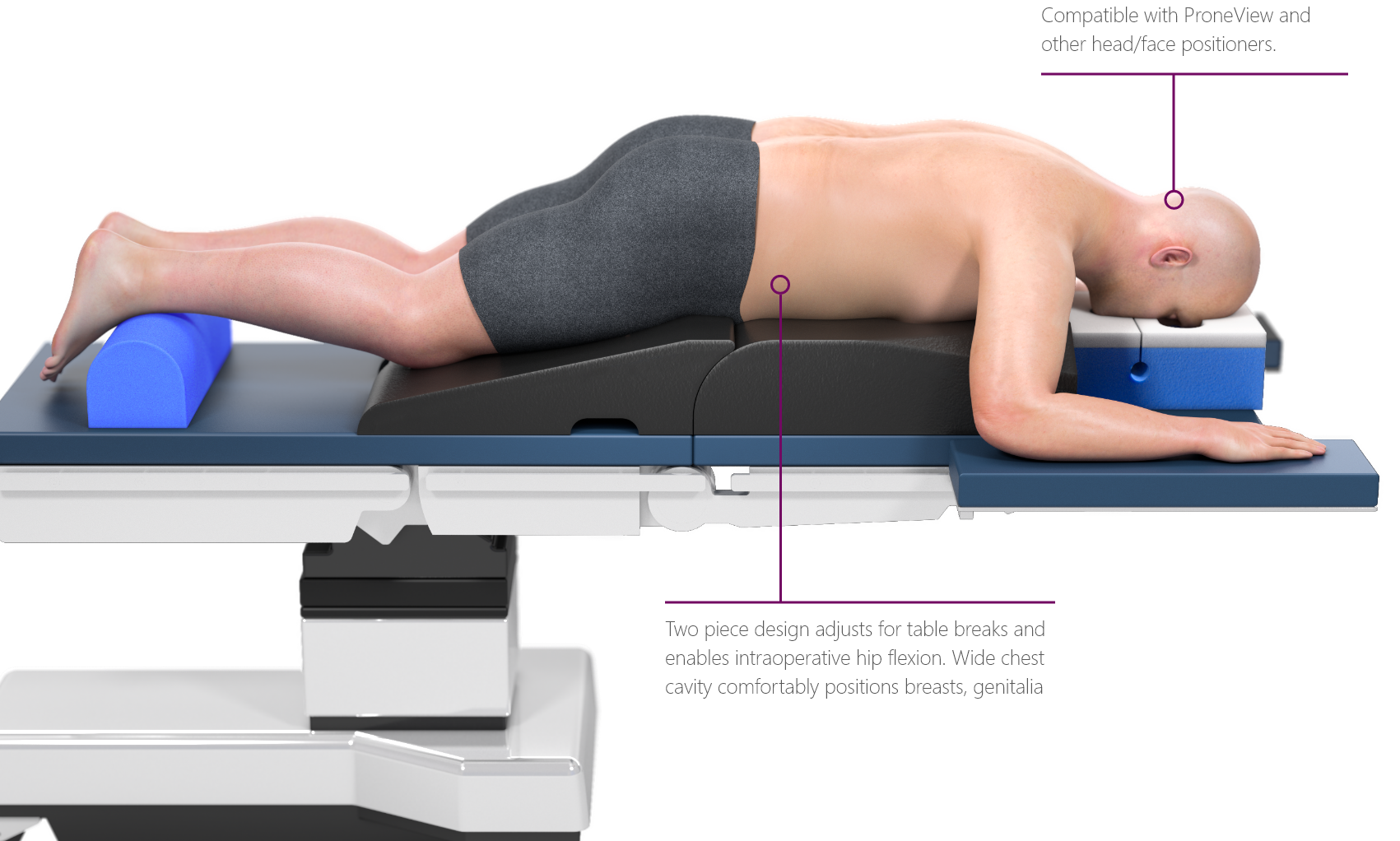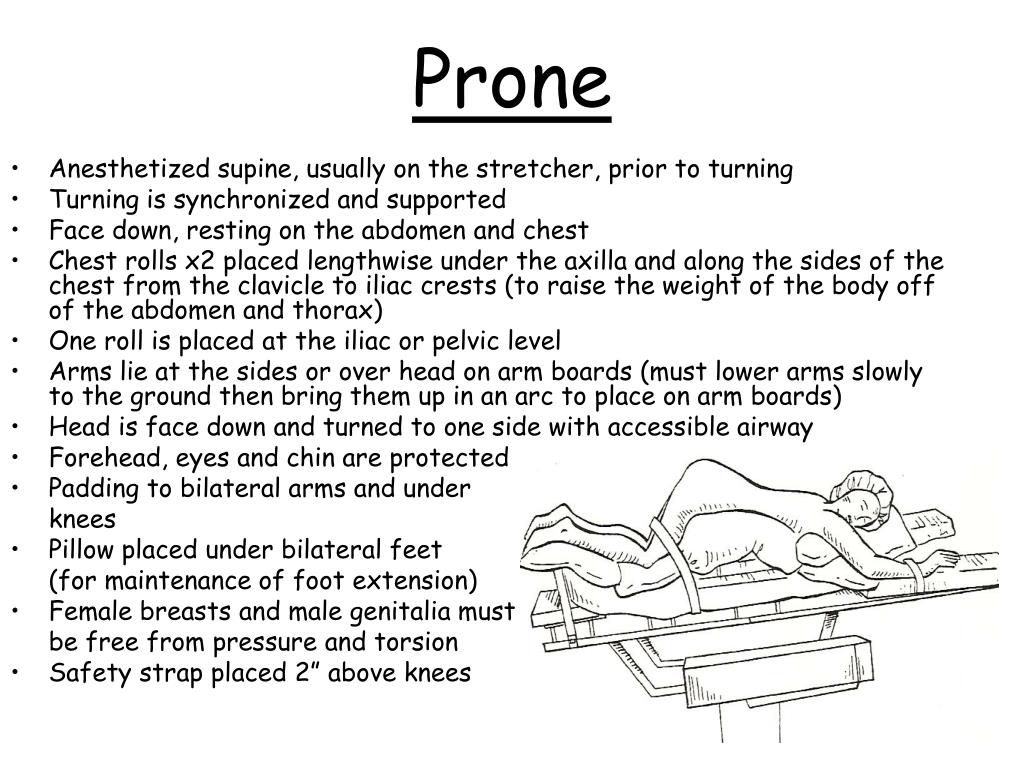
What Is The Prone Bone Position
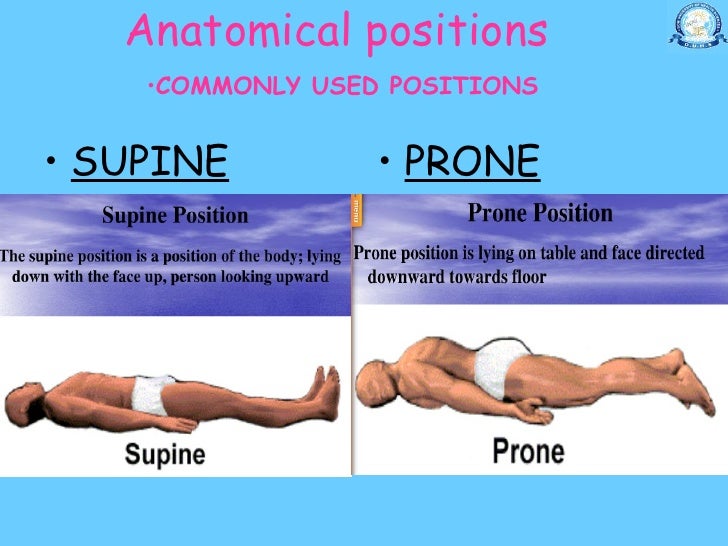
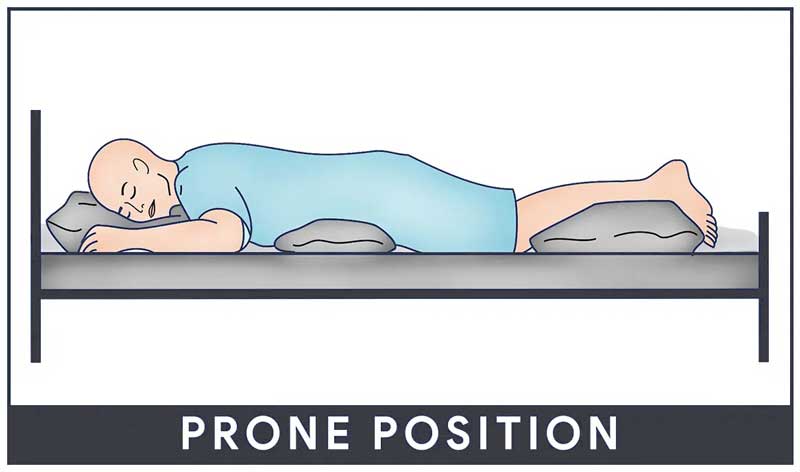
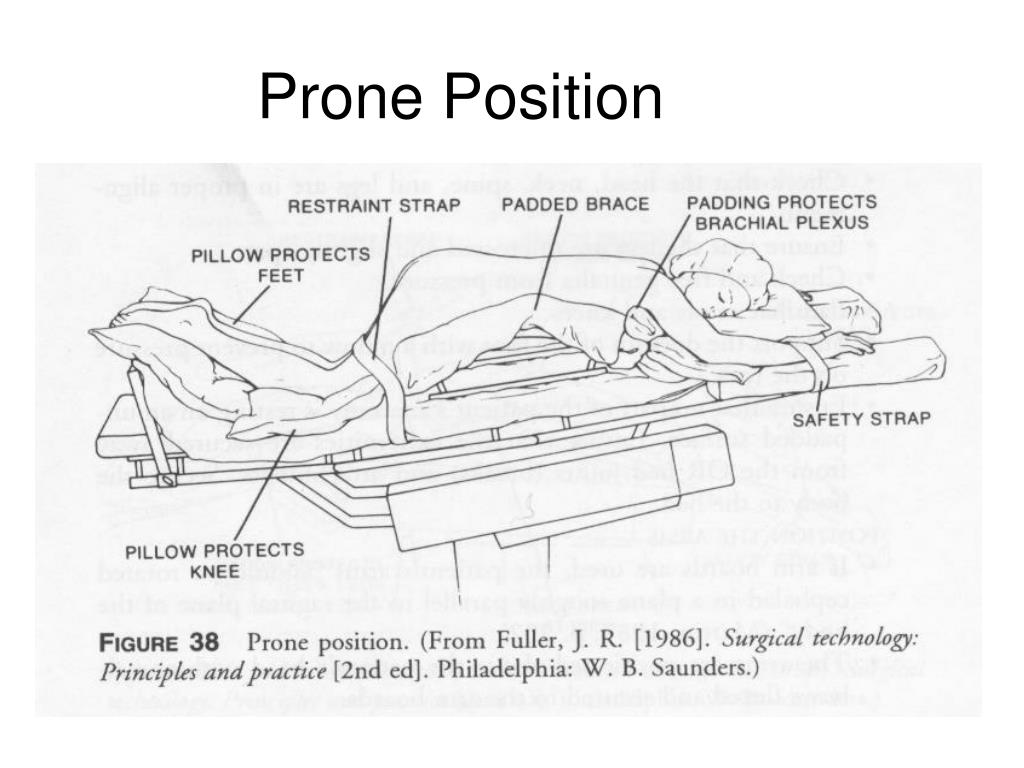
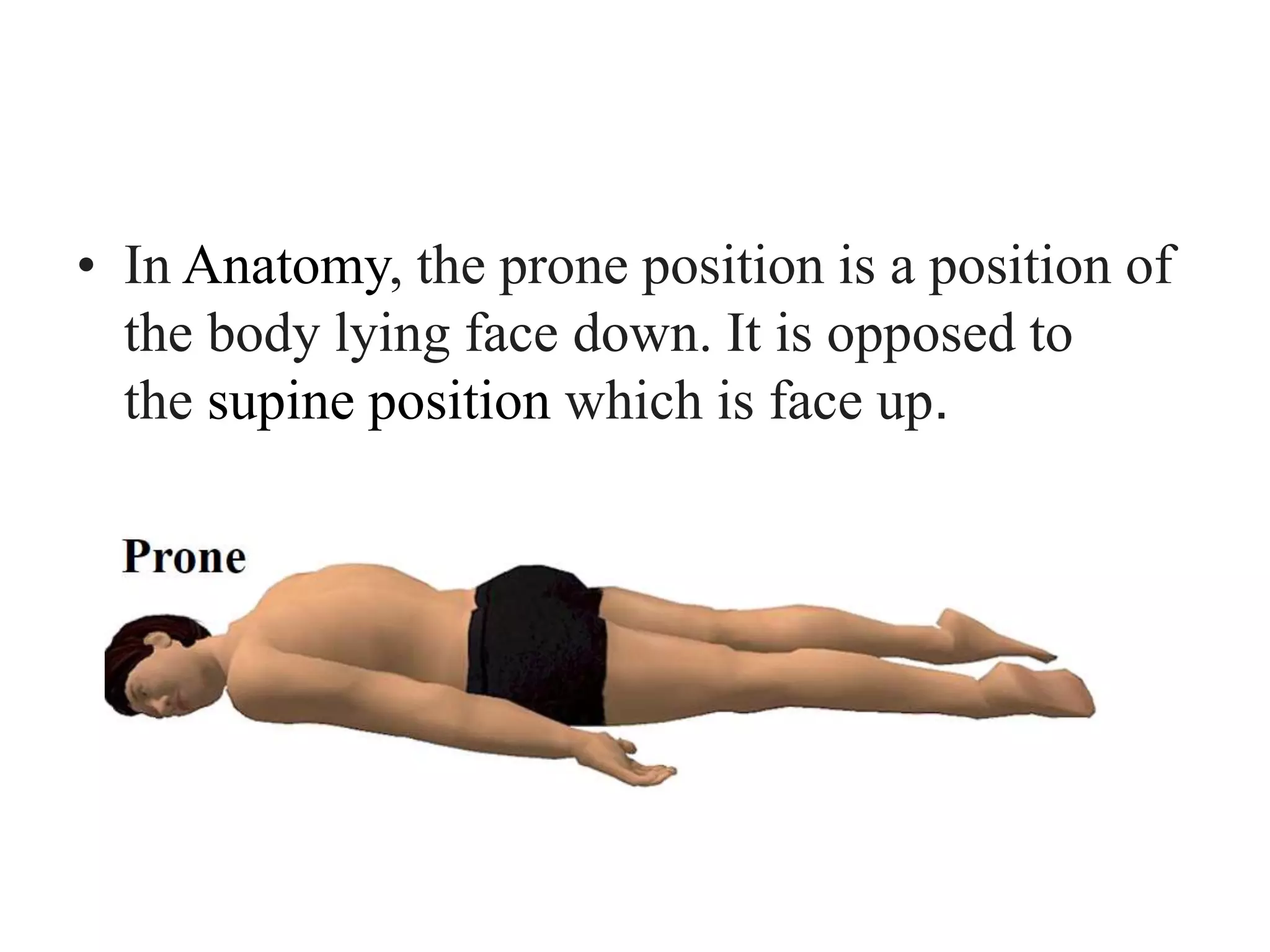
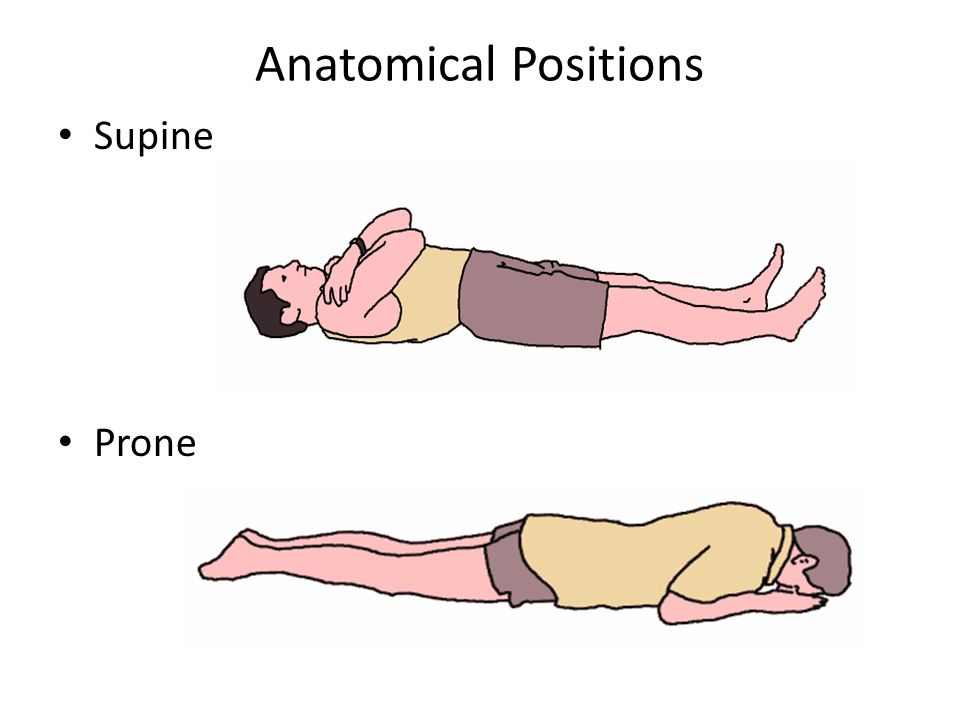
The prone bone position, also known as the prone pose, is a fundamental concept in the world of anatomy, physiology, and even meditation. It refers to the position of the body where a person lies on their stomach, with their bones, muscles, and organs aligned in a specific way to promote relaxation, reduce stress, and improve overall well-being. But have you ever wondered where this concept originated from and why it's still widely practiced today? The history of the prone bone position dates back to ancient civilizations, where people would use this pose for spiritual and medicinal purposes. In many Eastern cultures, the prone pose is still considered a sacred position, believed to balance the body's energy and promote inner harmony.
As we fast-forward to the present day, the prone bone position has become an essential aspect of various practices, including yoga, Pilates, and even physical therapy. It's no longer just about spirituality; it's also about the science behind the pose. When we lie on our stomachs, our spine is able to relax, and our muscles can release tension, leading to a range of benefits, from improved posture to reduced back pain. But what makes the prone bone position so unique is its ability to tap into our subconscious mind, allowing us to access deep states of relaxation and even meditation. This is where the concept gets really interesting, as it starts to blur the lines between the physical and mental realms.
So, why does the prone bone position matter today? In a world where stress and anxiety are on the rise, this concept offers a simple yet powerful solution for managing our mental and physical health. By incorporating the prone pose into our daily routine, we can improve our sleep quality, boost our immune system, and even increase our productivity. It's a holistic approach to wellness, one that recognizes the intricate connection between our body, mind, and spirit. As we delve deeper into the world of the prone bone position, we'll explore its lesser-known facts, psychological aspects, and cultural impact, as well as provide practical insights and scenarios for incorporating this pose into our daily lives.
Must Read
Uncovering the Mysteries of the Prone Bone Position
As we explore the prone bone position, we start to uncover some fascinating facts about its history and cultural significance. In many African cultures, the prone pose is still used as a healing position, where traditional healers would use this pose to communicate with the spirits and diagnose illnesses. Similarly, in some Asian cultures, the prone pose is believed to be a symbol of humility, where individuals would lie on their stomachs as a sign of respect and submission. These cultural references highlight the diverse and complex nature of the prone bone position, which extends far beyond its physical benefits.
But what about the psychological aspects of the prone bone position? Research has shown that this pose can have a profound impact on our mental state, reducing stress and anxiety by activating the parasympathetic nervous system. This is because the prone pose allows our body to relax, releasing tension in our muscles and promoting a sense of calm and tranquility. Additionally, the prone bone position has been shown to improve our self-awareness, allowing us to tune into our thoughts, emotions, and physical sensations. By cultivating this awareness, we can develop a greater understanding of ourselves and the world around us.
As we continue to explore the prone bone position, we start to notice its presence in various aspects of our culture, from art to literature. In many famous paintings, the prone pose is depicted as a symbol of vulnerability and surrender, where the subject is often shown lying on their stomach, exposed and vulnerable. Similarly, in literature, the prone pose is often used as a metaphor for transformation and growth, where the protagonist undergoes a journey of self-discovery and transformation. These cultural references highlight the significance of the prone bone position, which extends far beyond its physical benefits to touch our emotional, psychological, and spiritual lives.

Another interesting aspect of the prone bone position is its connection to the subconscious mind. When we lie on our stomachs, we're able to access deep states of relaxation, allowing us to tap into our subconscious thoughts, emotions, and desires. This is because the prone pose allows our brain to enter a state of alpha brainwave activity, where our conscious mind is more receptive to suggestions and ideas. By cultivating this state, we can develop a greater understanding of ourselves and the world around us, allowing us to make positive changes and improve our overall well-being.
Applying the Prone Bone Position in Everyday Life
So, how can we apply the prone bone position in our everyday lives? One simple way is to incorporate this pose into our daily routine, whether it's through yoga or meditation. By lying on our stomachs, we can relax our muscles, reduce stress, and improve our overall well-being. Additionally, the prone bone position can be used as a therapeutic tool, helping us to manage chronic pain, improve our posture, and even reduce symptoms of anxiety and depression.
Let's consider a scenario where we're feeling overwhelmed and stressed after a long day at work. Instead of reaching for our phones or computers, we can try lying on our stomachs, focusing on our breath, and allowing our body to relax. This simple act can help us to reset our nervous system, reducing stress and anxiety while promoting a sense of calm and tranquility. By incorporating the prone bone position into our daily routine, we can develop a greater sense of resilience and well-being, allowing us to navigate life's challenges with greater ease and confidence.
Another way to apply the prone bone position is through creative expression. By lying on our stomachs, we can tap into our subconscious mind, allowing us to access new ideas, inspiration, and creativity. Many artists, writers, and musicians have reported using the prone pose as a source of inspiration and creativity, allowing them to tap into their subconscious mind and access new levels of imagination and innovation. By cultivating this state, we can develop a greater sense of creativity and self-expression, allowing us to bring new ideas and projects into the world.
Finally, the prone bone position can be used as a tool for personal growth, helping us to develop greater self-awareness, self-acceptance, and self-love. By lying on our stomachs, we can tune into our thoughts, emotions, and physical sensations, allowing us to develop a greater understanding of ourselves and the world around us. This can be a powerful catalyst for personal growth, helping us to identify areas for improvement, develop new habits and routines, and cultivate a greater sense of purpose and direction in life.
Frequently Asked Questions
What are the benefits of practicing the prone bone position?
The benefits of practicing the prone bone position are numerous and well-documented. By lying on our stomachs, we can relax our muscles, reduce stress and anxiety, and improve our overall well-being. The prone pose has also been shown to improve our posture, reduce chronic pain, and even increase our productivity. Additionally, the prone bone position can be used as a therapeutic tool, helping us to manage symptoms of anxiety and depression, improve our sleep quality, and even boost our immune system. By incorporating the prone pose into our daily routine, we can develop a greater sense of resilience and well-being, allowing us to navigate life's challenges with greater ease and confidence.
One of the most significant benefits of the prone bone position is its ability to reduce stress and anxiety. By lying on our stomachs, we can activate the parasympathetic nervous system, promoting a sense of calm and tranquility. This can be especially beneficial for individuals who struggle with anxiety or depression, as it provides a simple yet effective way to manage symptoms and improve overall well-being. Additionally, the prone bone position can be used in conjunction with other therapies, such as meditation or yoga, to enhance its benefits and promote deeper relaxation and self-awareness.
How can I incorporate the prone bone position into my daily routine?
Incorporating the prone bone position into our daily routine can be simple and easy. One way to start is by setting aside a few minutes each day to lie on our stomachs, focusing on our breath, and allowing our body to relax. We can do this first thing in the morning, before bed, or even during our lunch break. Additionally, we can incorporate the prone pose into our yoga or meditation practice, using it as a way to transition between poses or as a final relaxation pose. By making the prone bone position a regular part of our routine, we can develop a greater sense of calm and tranquility, allowing us to navigate life's challenges with greater ease and confidence.
Another way to incorporate the prone bone position into our daily routine is by using it as a therapeutic tool. We can use the prone pose to manage chronic pain, improve our posture, or even reduce symptoms of anxiety and depression. By lying on our stomachs, we can relax our muscles, reduce tension, and promote a sense of calm and tranquility. This can be especially beneficial for individuals who struggle with stress or anxiety, as it provides a simple yet effective way to manage symptoms and improve overall well-being. By making the prone bone position a regular part of our routine, we can develop a greater sense of resilience and well-being, allowing us to navigate life's challenges with greater ease and confidence.
Can the prone bone position be used for creative expression and inspiration?
The prone bone position can be a powerful catalyst for creative expression and inspiration. By lying on our stomachs, we can tap into our subconscious mind, allowing us to access new ideas, inspiration, and creativity. Many artists, writers, and musicians have reported using the prone pose as a source of inspiration, allowing them to tap into their subconscious mind and access new levels of imagination and innovation. By cultivating this state, we can develop a greater sense of creativity and self-expression, allowing us to bring new ideas and projects into the world.
One way to use the prone bone position for creative expression is by incorporating it into our artistic or writing practice. We can lie on our stomachs, focus on our breath, and allow our body to relax, allowing our subconscious mind to access new ideas and inspiration. This can be especially beneficial for individuals who struggle with writer's block or creative stagnation, as it provides a simple yet effective way to tap into our subconscious mind and access new levels of creativity and innovation. By making the prone bone position a regular part of our creative routine, we can develop a greater sense of inspiration and motivation, allowing us to bring new ideas and projects into the world.
As we reflect on the prone bone position, we start to realize its significance in our daily lives. This concept is not just about physical relaxation; it's also about tapping into our subconscious mind and accessing deep states of relaxation and self-awareness. By incorporating the prone pose into our daily routine, we can develop a greater sense of calm and tranquility, allowing us to navigate life's challenges with greater ease and confidence. Additionally, the prone bone position can be used as a tool for personal growth, helping us to develop greater self-awareness, self-acceptance, and self-love.
The prone bone position is also closely tied to our human nature, as it allows us to tap into our primal instincts and connect with our body and mind on a deeper level. By lying on our stomachs, we're able to access a state of vulnerability and surrender, where we can let go of our ego and tap into our subconscious mind. This can be a powerful catalyst for personal growth, helping us to develop a greater sense of self-awareness, self-acceptance, and self-love. By making the prone bone position a regular part of our routine, we can develop a greater sense of connection to ourselves and the world around us.
Finally, the prone bone position is a holistic approach to wellness, one that recognizes the intricate connection between our body, mind, and spirit. By incorporating this pose into our daily routine, we can develop a greater sense of balance and harmony, allowing us to navigate life's challenges with greater ease and confidence. Whether we're looking to reduce stress and anxiety, improve our posture, or tap into our creative potential, the prone bone position offers a simple yet powerful solution. By embracing this concept, we can cultivate a deeper sense of wellness, self-awareness, and connection to ourselves and the world around us.
:max_bytes(150000):strip_icc()/prone_position-5bb0ece34cedfd0026f7b558.jpg)